Wood Grain That Stays Visible
Interior Staining in Tulsa for wood floors, trim, and built-ins needing color depth without hiding natural texture
Staining wood surfaces involves controlling penetration depth, managing absorption variations across grain patterns, and sealing to lock color while maintaining the texture and figure that makes natural wood visually interesting. Interior staining for floors, trim, built-in shelving, and architectural woodwork across Tulsa properties enhances grain appearance rather than covering it, adding color richness that paint cannot deliver. Victor's Pro Painting handles staining projects where wood species and surface quality merit showcasing, where color coordination with existing finishes matters, or where new construction and remodel work requires custom color matching to blend additions with original materials.
Application requires sanding to open wood pores uniformly, stain application with controlled saturation to prevent blotching, wiping to even out absorption, and topcoat sealing that protects without obscuring the grain patterns underneath. Different wood species absorb stain differently—oak shows pronounced grain, maple tends toward blotching without conditioning, and pine requires careful technique to avoid uneven color.
Arrange a staining consultation to review wood condition and discuss custom color options for your interior surfaces.
Why Even Application Matters for Staining
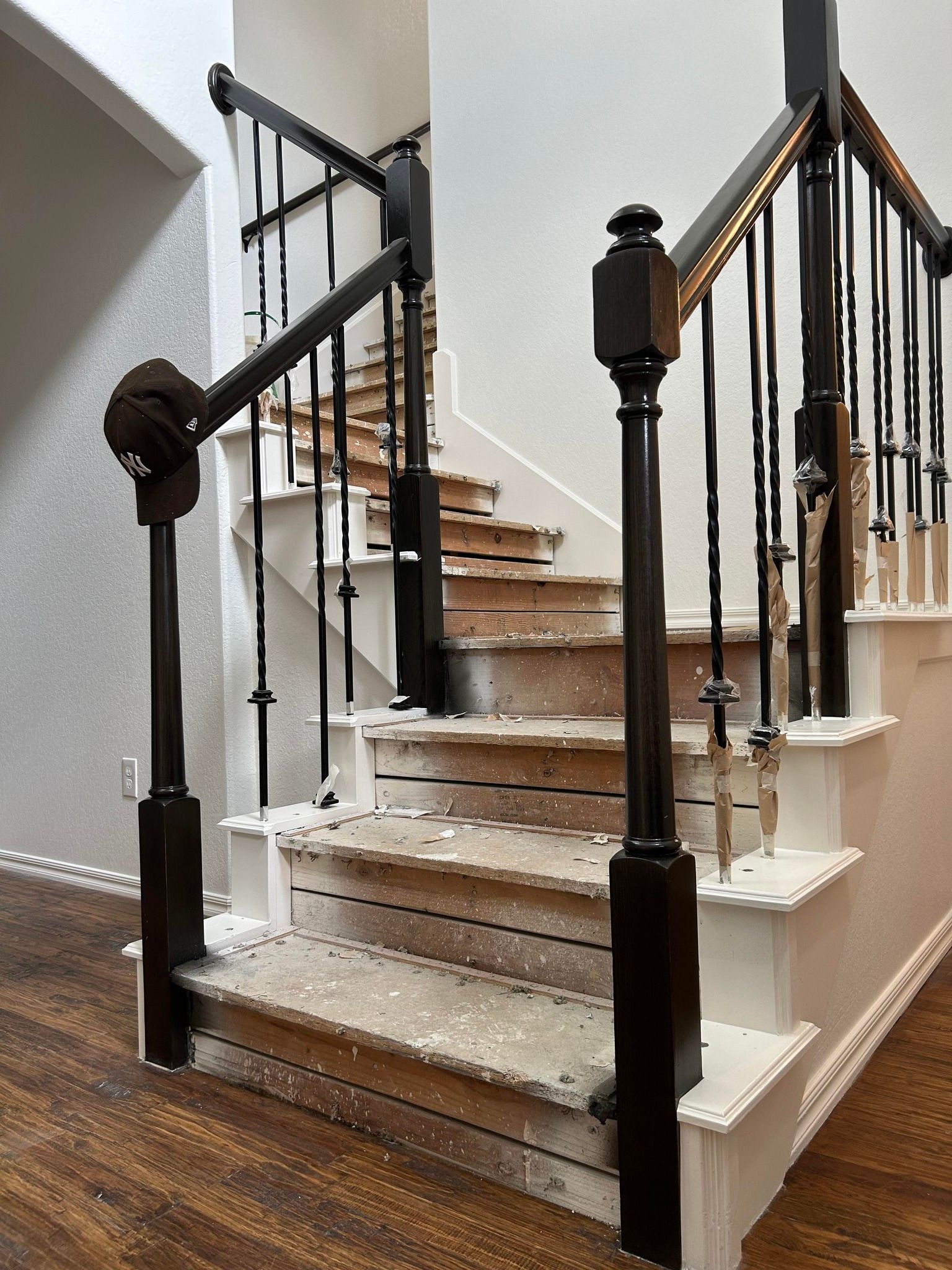
Interior staining begins with surface evaluation to determine sanding requirements, whether wood conditioner is needed to prevent blotching, and what stain formulation will produce desired color depth without obscuring grain detail. Floors require different techniques than vertical trim due to absorption differences and the way light reveals application inconsistencies. Test areas show how specific wood will accept stain before full application commits to results that cannot be easily reversed.
Once staining is complete, wood surfaces show enhanced grain patterns with consistent color that doesn't look blotchy or streaked, natural texture remains visible and tactile, and protective topcoats provide durability without yellowing or hiding the wood character underneath. Rooms gain warmth and visual interest that solid paint colors cannot provide, and the wood species investment—whether oak, walnut, or specialty hardwoods—becomes a featured design element rather than a hidden structural component.
Custom color matching allows new stained woodwork to blend with existing finishes in older homes, or creates intentional contrast when design goals call for differentiation. Both new builds and remodels benefit from staining when quality wood deserves to remain visible rather than disappearing under opaque coatings. Sealing options range from low-sheen natural finishes to higher-gloss protective layers depending on surface use and durability requirements.
Common Questions About This Service
Tulsa homeowners considering interior staining often ask about wood suitability, color options, and finish maintenance before starting projects.
What wood surfaces are best suited for staining?
Hardwoods with visible grain patterns like oak, walnut, cherry, and mahogany showcase stain well, while pine and maple require careful conditioning to prevent blotchy absorption. The wood quality and grain figure determine whether staining or painting produces better results.
How does staining differ from painting wood trim?
Staining penetrates wood and allows grain to remain visible while adding color, whereas painting forms an opaque coating that hides grain and texture. The choice depends on whether the wood merits showcasing or concealing.
What preparation is required before applying stain?
Wood must be sanded to bare material or previous finish removed, surfaces cleaned of dust and oils, and grain raised and smoothed for uniform absorption. Some species require pre-stain conditioner to prevent uneven color uptake.
How do I select stain color for interior wood?
Custom color matching uses samples applied to your actual wood, accounting for species, grain pattern, and lighting conditions in your space. Standard color charts provide starting points, but test application shows real results before committing to full coverage.
What topcoat protection do stained surfaces need?
Polyurethane, varnish, or other clear sealers protect stained wood from moisture, wear, and UV fading while allowing grain to remain visible. Sheen level—matte, satin, or gloss—affects appearance and durability for different applications.
Victor's Pro Painting handles interior staining for floors, trim, and built-in features with techniques that produce even color and long-lasting finishes. Contact us to schedule a project review and receive staining samples that show how your wood will look with selected colors and protective topcoats.